Alberta sits in one of Canada's busiest hail corridors, and Edmonton takes its share every season. The tricky thing about hail damage is that it's often invisible from the ground and easy to miss — until it turns into a leak months later, long after your insurance claim window has narrowed. Here's how to spot the signs safely, without climbing on your roof.
Why hail damage is sneaky
Hail doesn't usually punch obvious holes. On asphalt shingles, it knocks the protective granules loose and bruises the mat underneath — damage that accelerates aging and leads to leaks down the road, not immediately. That delay is the problem: by the time water shows up inside, the storm that caused it may be months past. The Insurance Bureau of Canada tracks hail as one of the costliest and most frequent perils for Canadian homeowners, and Alberta is consistently near the top.
Check the easy indicators first (from the ground)
You can gather a lot of evidence without leaving the ground. After a significant hailstorm, look at:
- Gutters and downspouts: piles of shingle granules (like coarse black sand) are a strong sign the roof got hit
- Metal surfaces: dents on gutters, downspouts, flashing, vents, and your eavestrough are visible hail evidence
- Other property: dented car hoods, damaged deck furniture, holes in screens or gazebo tops indicate hail large enough to hurt a roof
- Downspout splash: a sudden dark streak of granule wash after a storm
- AC unit and window sills: dents and dings on soft metal surfaces at ground level
If your car took hail damage or your gutters are dented, assume your roof did too and get it looked at — those softer surfaces are a reliable proxy for what happened up top.
Signs on the roof itself
Don't climb up — this is what a professional looks for during a free inspection, but it helps to know the signs:
- Round bruises or dark spots on shingles where granules are missing
- Soft, dented spots that feel like a bruise on an apple
- Cracked or split shingles from larger stones
- Damaged, dented, or dislodged flashing and vent boots
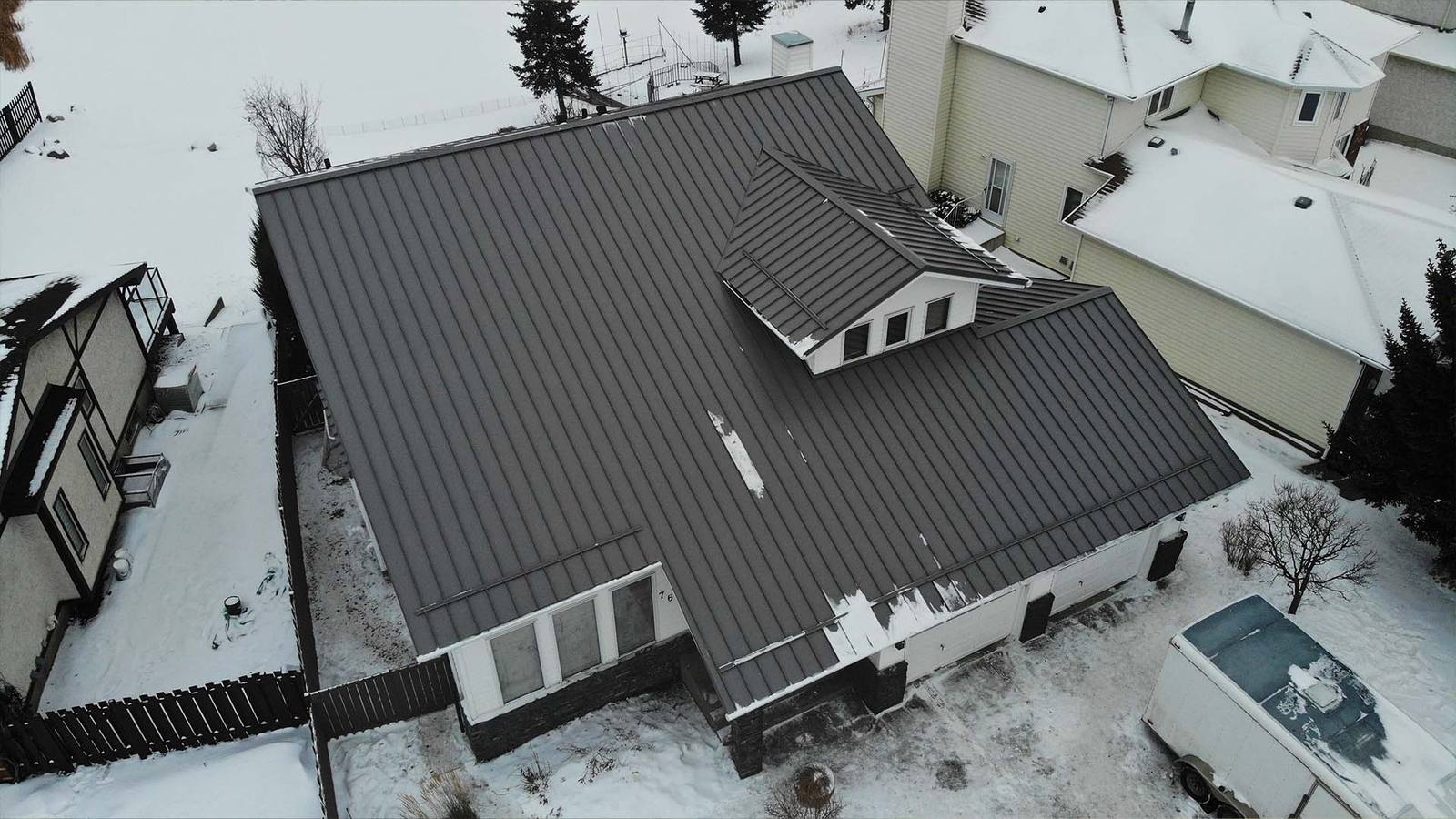
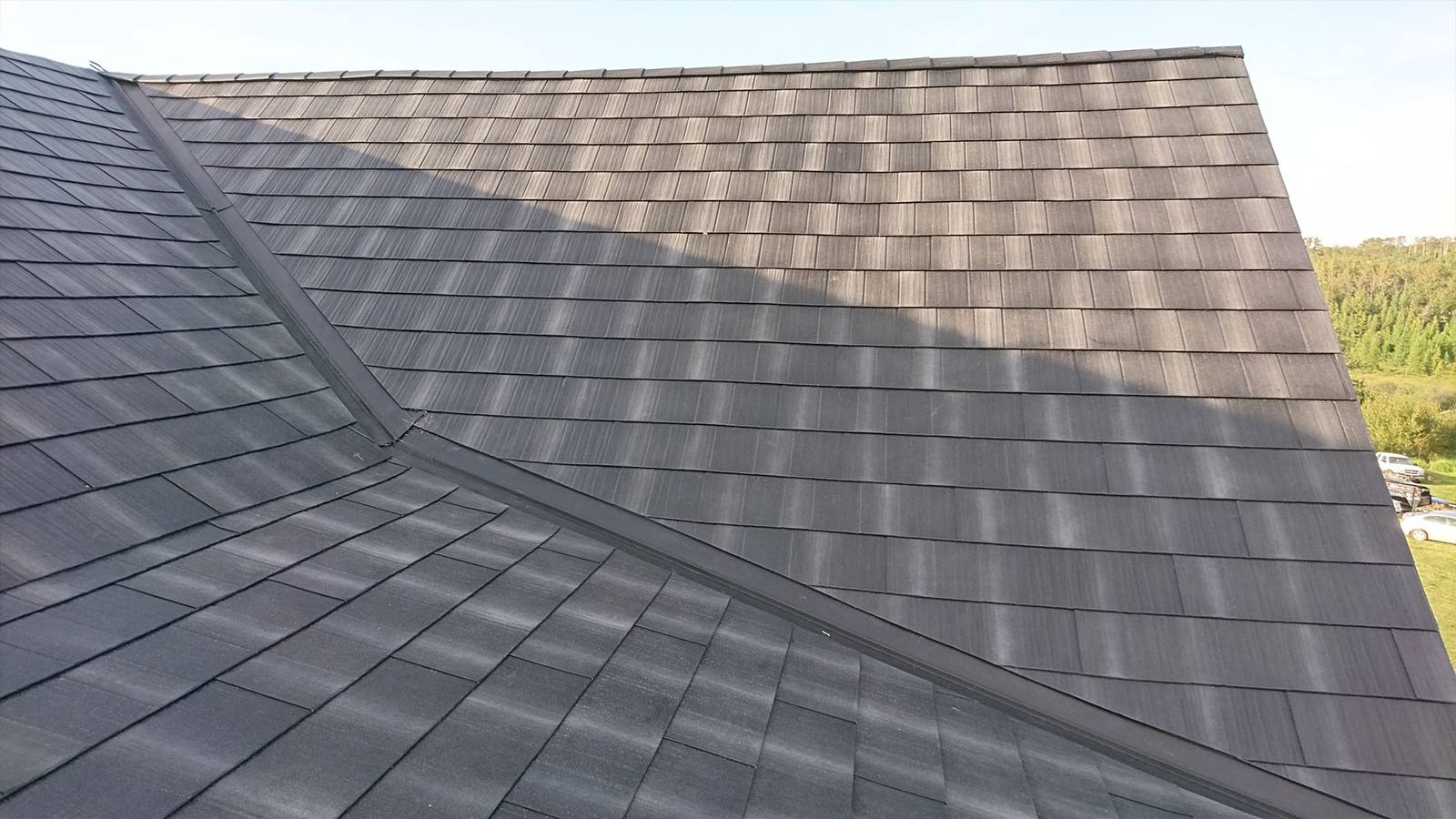
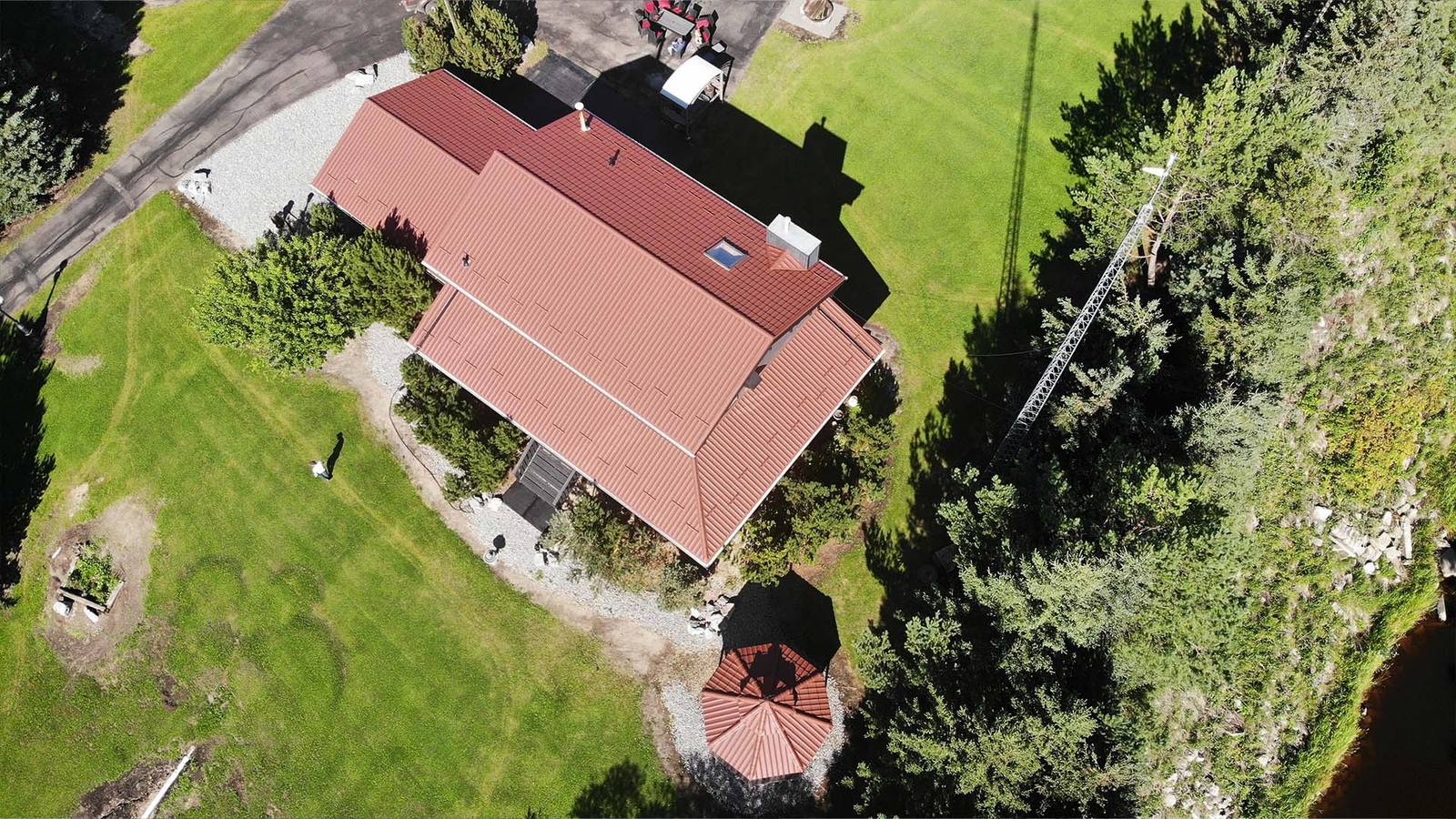
- On metal roofs: cosmetic dents, but rarely functional damage — this is why metal ends the claim cycle
Document everything before you do anything
If you suspect hail damage, documentation is your friend for an insurance claim. Photograph the dented gutters, the granules, the damaged car — everything, with dates. Note the date of the storm. Then get a professional roof inspection with a written report and photos before the claim window closes. Our storm & hail damage repair service includes exactly this documentation, and we can meet your adjuster on site so nothing gets under-scoped.
The claim — and the upgrade opportunity
If there's covered damage, insurance typically pays for equivalent asphalt replacement. Here's the move most Alberta homeowners miss: you can use that claim to fund a metal roof upgrade, paying only the difference — and never file another hail claim, because metal doesn't crack. Our full hail damage insurance claim guide walks through the process step by step.
The bottom line
Hail damage hides — check your gutters, your car, and your metal surfaces after any serious storm, and get a professional inspection if the signs are there. Document everything, act inside your claim window, and consider using the claim to upgrade to a roof that won't be damaged next time. When in doubt, a free roof inspection costs nothing and settles it.
Ready to start your project?
Get a free, fixed-price written estimate from an IronWrap estimator.