Alberta sits in one of the most active hail corridors in Canada. Edmonton, Sherwood Park, Beaumont, and the southside metro see meaningful hail events every 2–3 years on average, with major storms (golf-ball-sized or larger) every 5–7 years. After every storm, our phones ring with the same question: 'my insurance is saying X — what should I actually do?' Here's the walkthrough.
Step 1: Document the damage immediately
Within 24 hours of the storm, take photos:
- The roof from the ground (multiple angles)
- Visible damage to gutters, fascia, soffit — these are often hit before the roof itself
- Hail stones on the ground next to a coin or ruler for scale (don't pick them up — let them melt naturally with the photo as record)
- Any interior signs (water staining on ceiling, leak spots near vents)
- Damage to other property — windows, vehicles, deck furniture — for severity context
Don't get on the roof yourself — slips on hail-damaged shingles are how people get hurt. Take photos from the ground and from windows; insurers will send an adjuster up.
Step 2: File the claim — but read the policy first
Call your insurer's claims line. They'll ask for the date of the storm, the address, and a brief description. They'll assign a claim number and schedule an adjuster visit (usually within 5–10 business days in Alberta, longer after major storms when claim volume spikes).
Before the adjuster arrives, read your policy. Look for:
- Deductible amount (typical Alberta range: $1,000–$2,500)
- Whether you have 'replacement cost' or 'actual cash value' coverage — replacement cost is what you want (covers the cost of new shingles, not depreciated value)
- Roof-age limitations — some policies cap coverage on roofs older than 15 or 20 years
- Whether the policy specifies asphalt or covers 'equivalent replacement' (which is what enables a metal upgrade)
Step 3: The adjuster visit
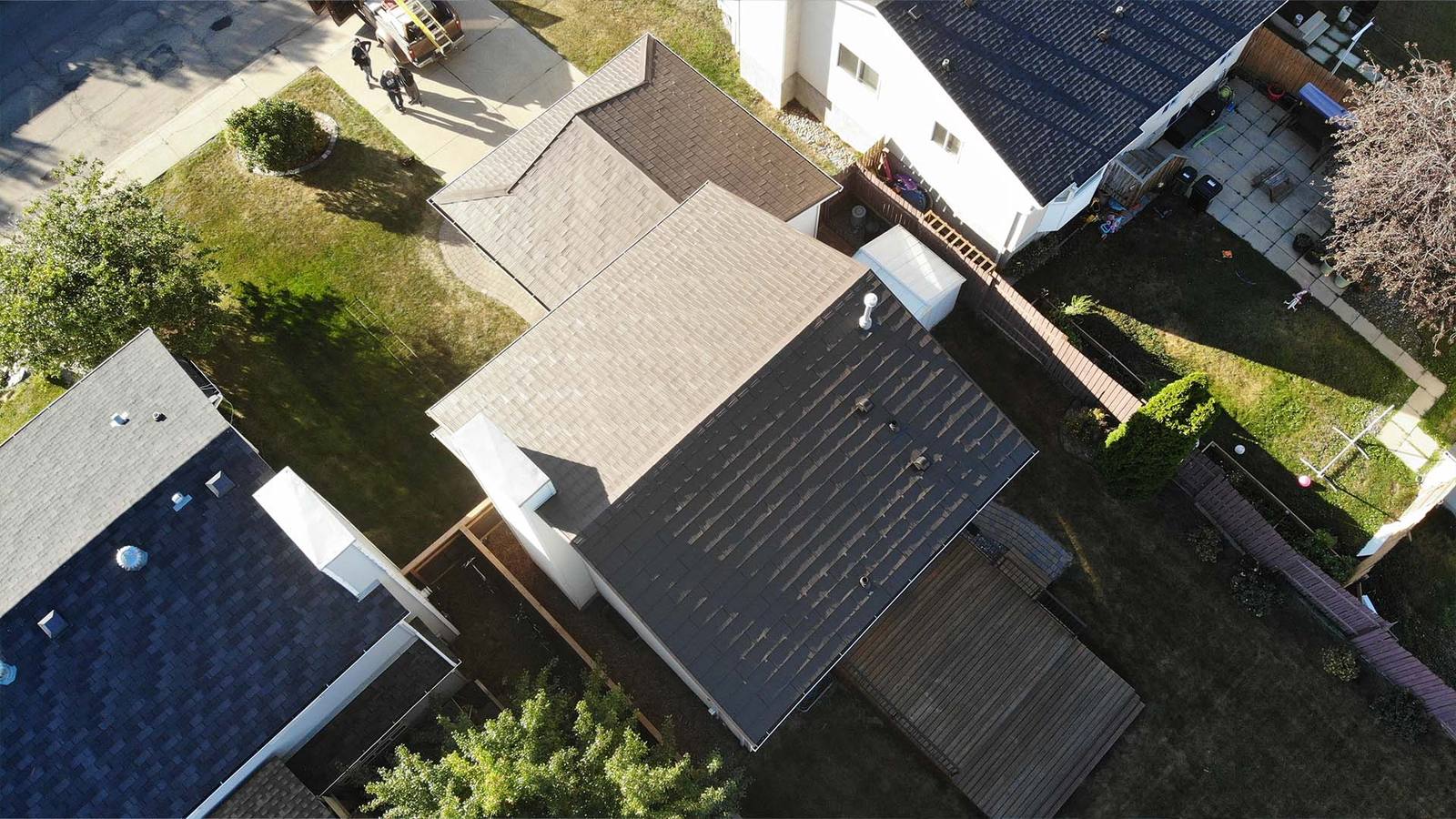
The adjuster will go on the roof, count damage points per shingle square, and document everything. Their goal is to determine if the damage meets the threshold for full replacement (typically 8+ damaged shingles per 10x10 ft square) or just repair.
Tip: have your own contractor present if possible. We routinely meet adjusters on site and walk the roof with them. We don't dispute their findings — we just make sure nothing gets missed. A second set of trained eyes often finds damage the adjuster's first pass didn't.
Step 4: The settlement letter
Within 1–4 weeks of the adjuster visit, you'll receive a settlement letter. It will specify:
- Whether the claim is approved for full replacement or partial repair
- The total settlement amount (replacement cost minus your deductible)
- Any depreciation holdback (if you have ACV coverage)
- Timeline to use the settlement (typically 12 months)
If the settlement is for less than you expected or denies coverage, you can request reconsideration. We've helped clients successfully appeal denials by submitting our own roof inspection report with hail-damage photos and shingle-square analysis.
Step 5: Should you upgrade to metal during the claim?
This is the question we get most often. The answer is almost always yes — but understand how it works.
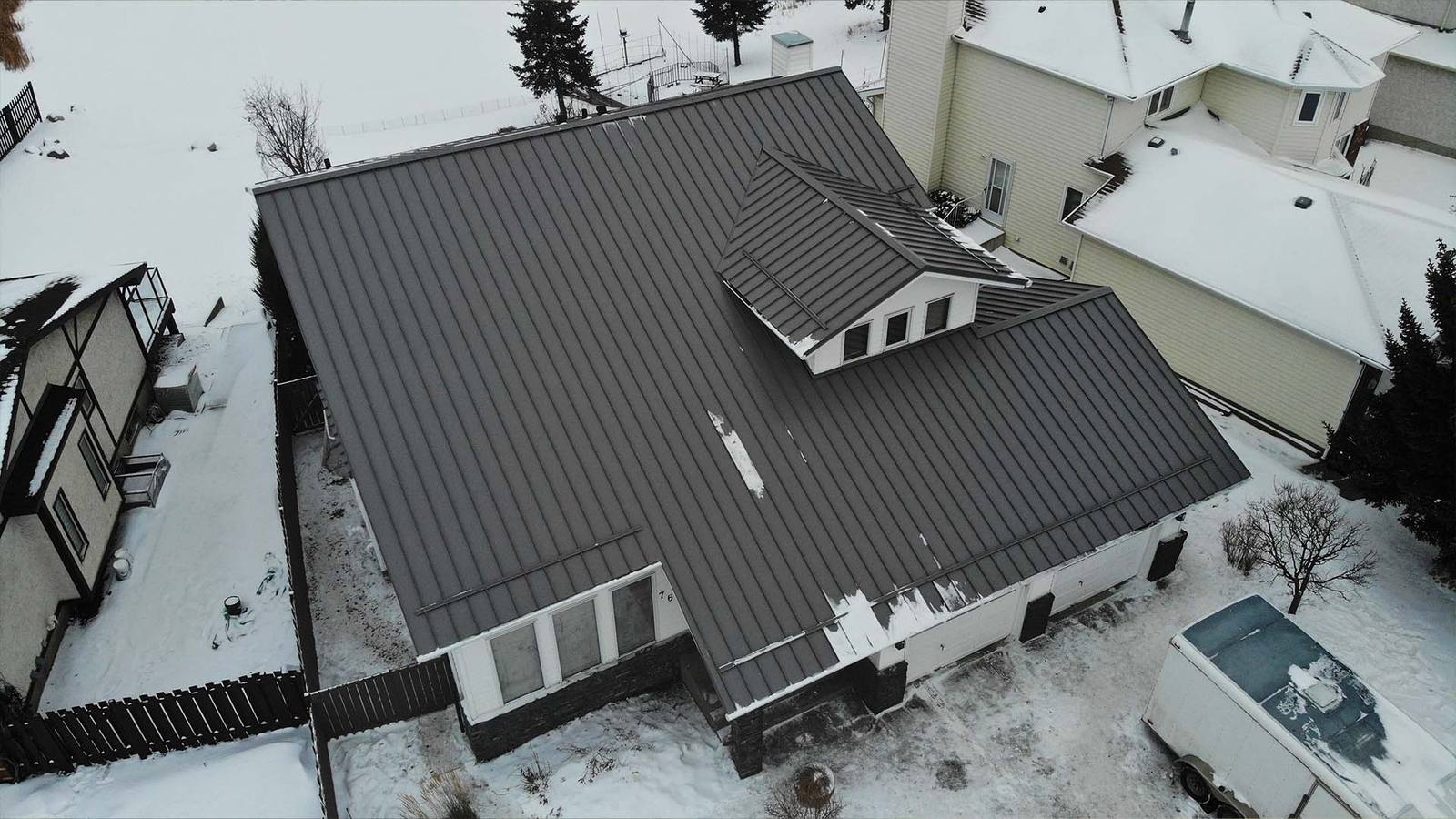
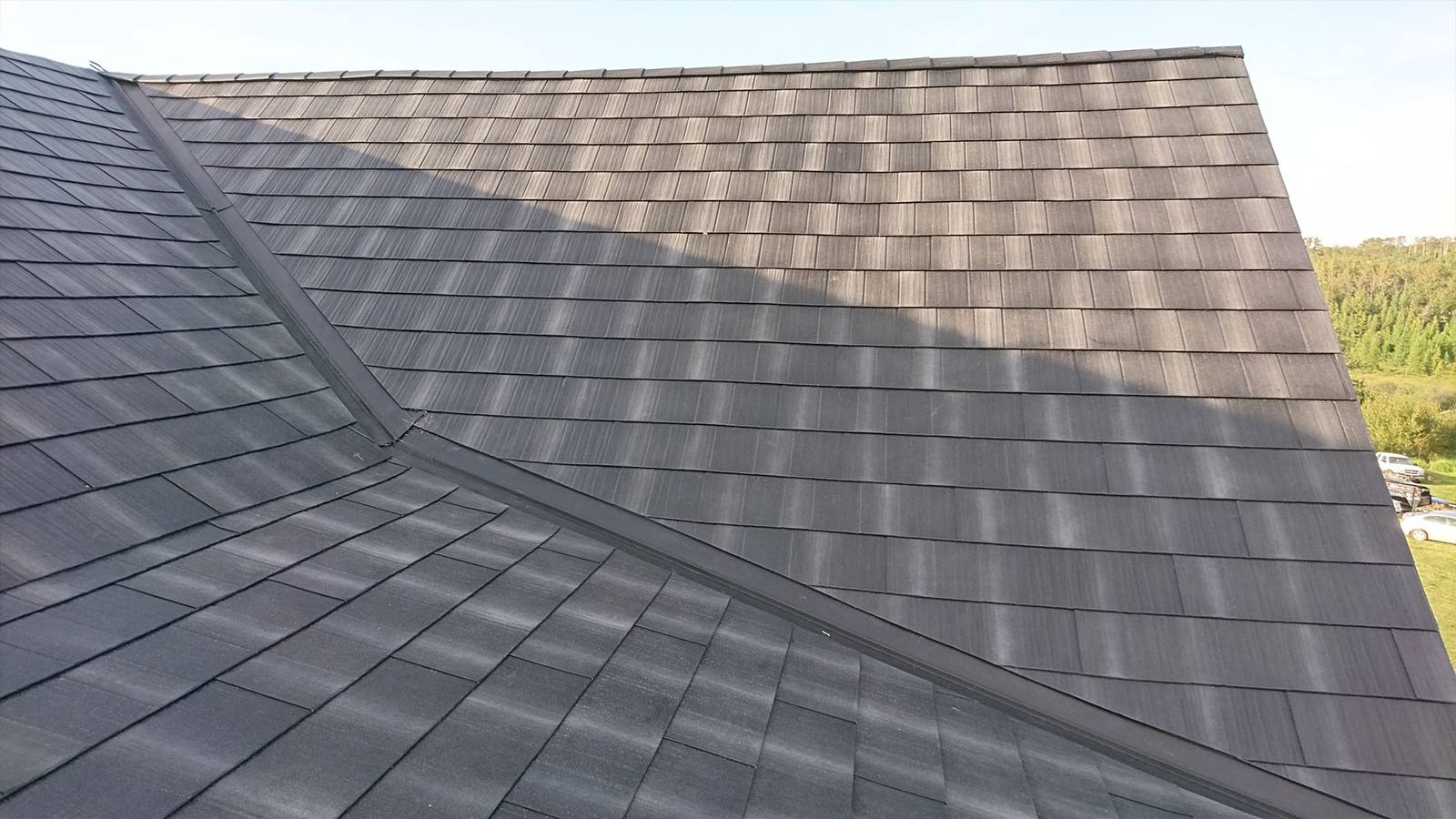
Insurance covers the cost of equivalent replacement — i.e., asphalt-to-asphalt. If your asphalt roof is approved for $14,000 in coverage and you want to replace with a $26,000 metal roof, you (the homeowner) pay the difference of $12,000 out of pocket.
Why this still makes sense:
- You get a lifetime metal roof for the difference, not the full price
- The next hailstorm in 3 years won't trigger another claim — your premium won't spike
- Most Alberta insurers offer 5–25% premium discounts on hail-rated metal roofs going forward
- Resale value: a 50-year metal roof is a verified asset for buyers
We did 80+ asphalt-to-metal conversions after the 2022 Edmonton-area storm season. Almost every homeowner said the same thing: 'I should have done this the first time.'
Step 6: Pick a contractor (carefully)
Post-hailstorm Edmonton attracts storm-chasing contractors from out of province. They knock on doors, offer fast cash quotes, take deposits, and sometimes never come back. Insist on:
- A locally-registered Alberta business with a verifiable Edmonton-area address
- Safety practices that meet or exceed COR (Certificate of Recognition) requirements
- Liability and Worker's Compensation insurance — get the policy numbers in writing
- Manufacturer-certified installation if upgrading to metal (required for the 50-year warranty)
- A written quote, not a verbal one
Pulling it together
Filing a hail-damage roof claim in Alberta is straightforward if you document early, read your policy carefully, and pick a local contractor with the certifications and warranty backing to handle the work properly. Upgrading to a metal roof during a claim is usually the best long-term move — you only pay the difference, and you stop the next-hailstorm-next-claim cycle.
Related reading: Metal Roof Cost in Edmonton 2026, Metal Roof vs Asphalt Shingles, Metal Roofing in Sherwood Park (the most hail-claim-heavy sub-area in our service region).
Ready to start your project?
Get a free, fixed-price written estimate from an IronWrap estimator.