Every metal roof brochure promises 50 years. The real range is wider — 30 years for a poorly-installed roof, 100+ years for a high-end install with the right finish. Here's the honest data on what actually drives metal-roof lifespan in Alberta's freeze-thaw, hail-corridor, UV-intense climate.
The headline ranges by system
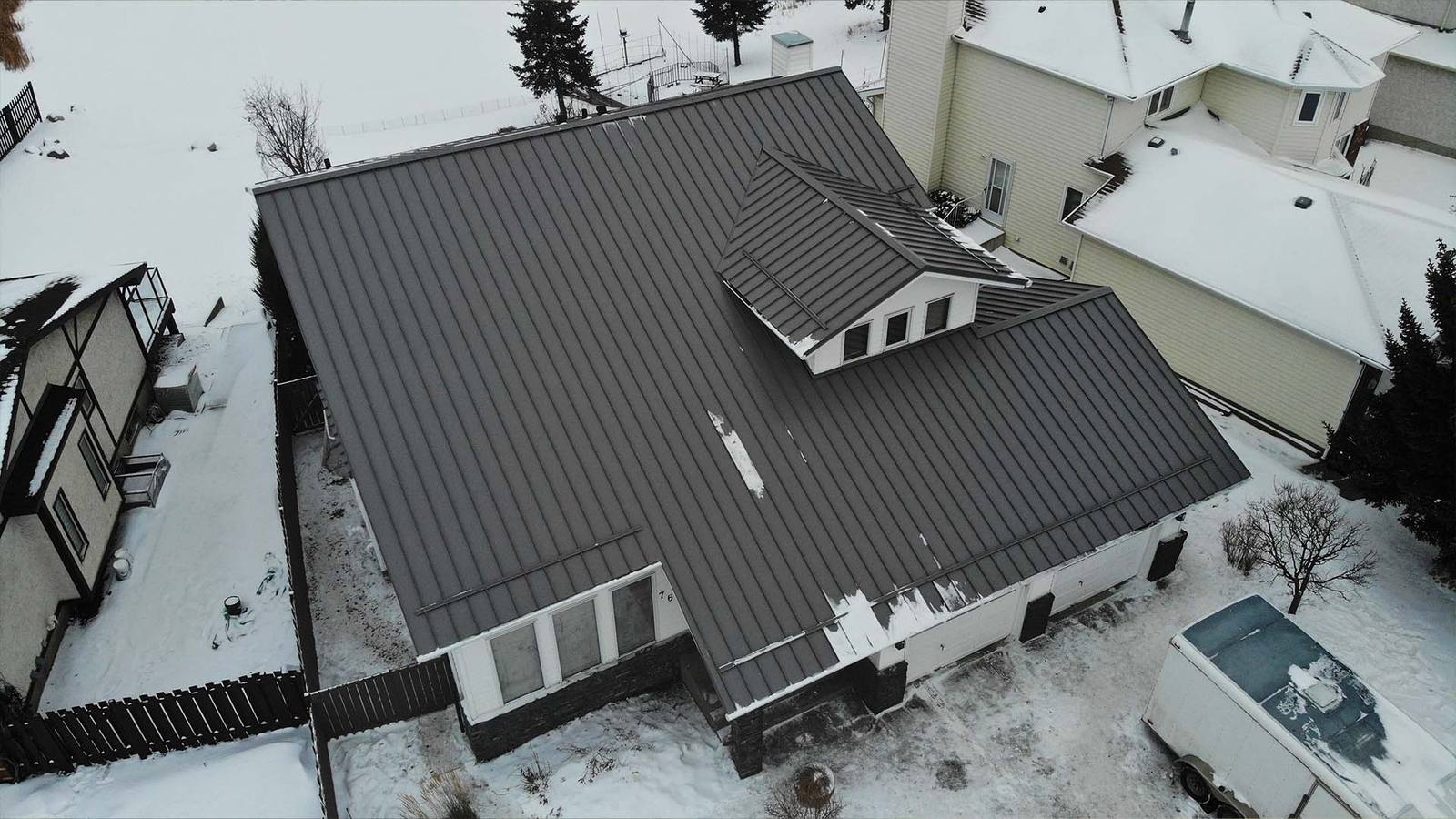
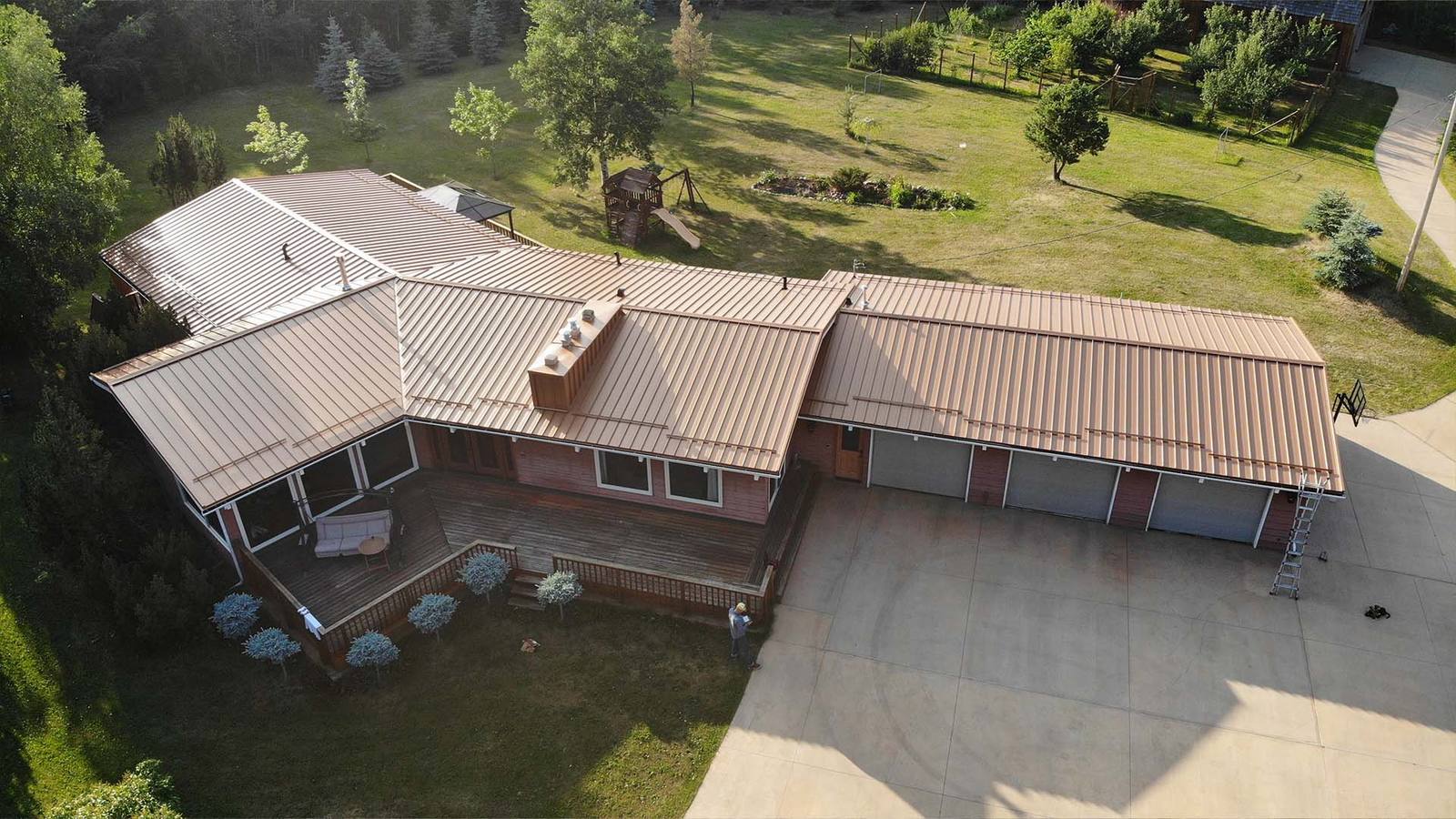
- Standing seam: 50–70+ years (some on record at 80+ in milder climates)
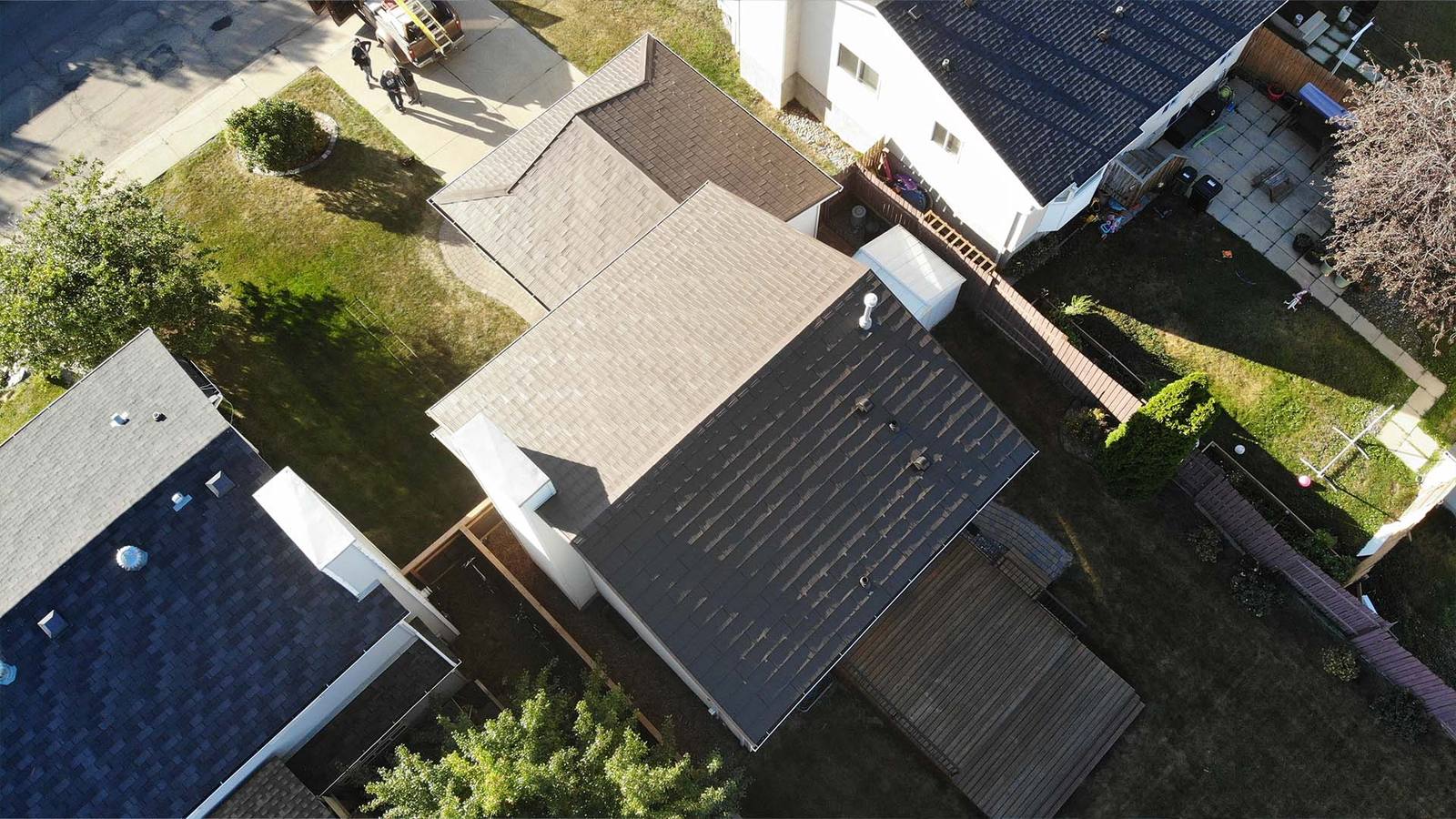
- Metal shingles: 50+ years (the install is the limiting factor more often than the panel)
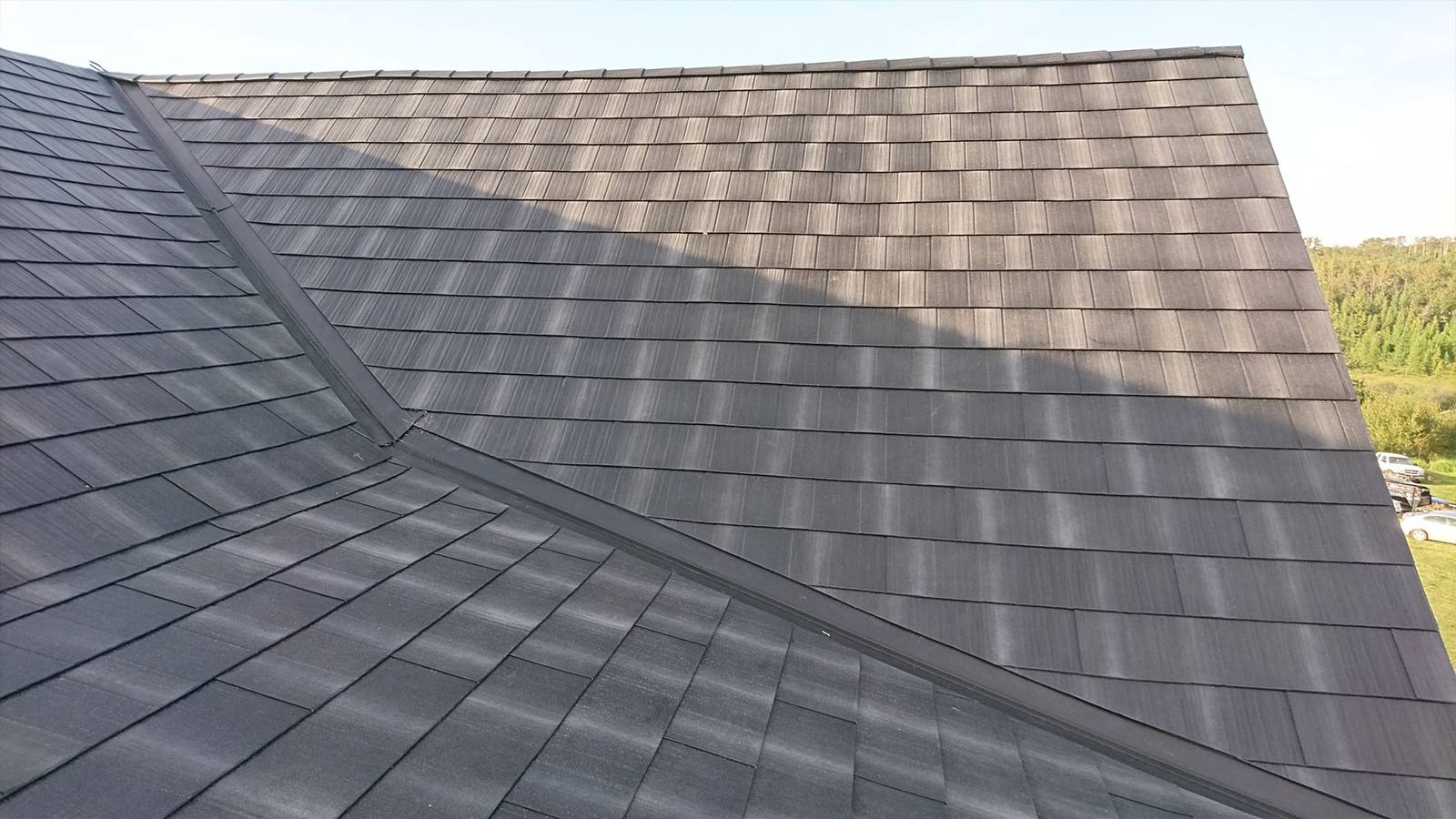
- European metal tiles: 50–100 years (the longest-lifespan family — European installs have data going back 80+ years)
- Asphalt (for comparison): 12–20 years in Alberta's freeze-thaw climate
What actually limits lifespan in Alberta
1. Install quality (the #1 factor)
A metal roof installed by a crew that doesn't understand thermal expansion will fail in 10–15 years — not because the panel failed, but because the clips bound, the seams stressed, and the panel telegraphed cracks at the screws. A properly-installed roof with floating clips, correct underlayment, and brake-formed flashings outlasts the framing.
2. Underlayment grade
The underlayment is the secondary water barrier and the thermal break. In Alberta, the right spec is high-temp peel-and-stick at eaves and valleys plus heat-reflective synthetic across the field. Cheap felt underlayment fails in 15 years and takes the roof's lifespan with it. The panels stay good; the underlayment fails, condensation forms, framing rots.
3. Finish quality (PVDF vs SMP)
PVDF (Kynar 500) coatings carry 30-year non-prorated fade warranties. SMP coatings carry 20-year prorated. The PVDF roof at year 40 still looks new; the SMP roof at year 40 has visibly chalked and faded. We default to PVDF — the cost premium is small relative to total install cost.
4. Ventilation
An unventilated attic is a moisture accumulator. Warm, humid air from the house rises, hits the cold deck, and condenses. Over years, that moisture rots the deck and underlayment from below. Properly calculated attic ventilation (intake + exhaust, balanced) prevents this. Roofers who don't calculate ventilation specifically — who just say 'we'll add a few vents' — are setting up a 15-year roof for a 50-year warranty.
5. Hail and major weather
Heavy hail (golf-ball-sized and larger) can dent panels superficially. Class 4-rated metal roofs handle this without cracking, leaking, or losing warranty coverage — the dents are cosmetic and panel-replaceable but rarely structural. After major Alberta hailstorms (2014, 2020, 2022), we replaced exactly zero metal roofs for hail. We replaced hundreds of asphalt roofs in the same windows.
What we see on actual 30+ year Alberta installs
We've inspected metal roofs installed in the late 1980s and early 1990s — original substrate, original finish, original install. They're typically at 50–60% of expected lifespan remaining. The most common 30-year issues are:
- Sealant degradation at penetrations (chimneys, vents) — easily refreshed, doesn't require panel replacement
- Minor finish chalking on south-facing slopes — cosmetic, doesn't affect performance
- Occasional fastener replacement where original screws have backed out — a half-day job for any qualified crew
- Some hail dents — cosmetic only on quality installs
The substrate, the seams, the underlayment, and the structural integrity are all unchanged after 30 years. That's what 'lifetime' actually means — not 'no maintenance ever' but 'minor cosmetic maintenance only.'
What we see fail early
Metal roofs that fail in 15–20 years almost always share one of these problems:
- Exposed-fastener install (gasket-screw barn-style roof) — gaskets fail at 15 years, screws leak after that
- Improper thermal-expansion design — panels bound, seams stressed, micro-cracks formed
- Wrong underlayment — basic felt that disintegrated by year 12, causing condensation damage from below
- Inadequate ventilation — humidity wrecked the deck even though the panels are fine
- Cheap panel gauge (28+ gauge instead of 24 gauge for residential) — too thin to handle wind, snow, and impact
The common thread: all of these are install or spec problems, not material problems. The metal itself is good for 50+ years. The way it's installed and what it sits on determines whether it gets there.
How to maximize the lifespan of your Alberta metal roof
- Insist on concealed-fastener systems (standing seam, hidden-fastener metal shingles, interlocking tile)
- Insist on PVDF (Kynar 500) finish, not SMP
- Insist on heat-reflective synthetic underlayment + high-temp peel-and-stick at eaves and valleys
- Insist on a written ventilation calculation — not 'we'll add a few vents'
- Inspect the roof every 5 years (or after major hail) — touch up sealants, reset any backed-out fasteners, check flashing perimeters
- Keep gutters clear — overflowing gutters can damage fascia and lead to ice-dam concentrations at the eave
Bottom line
A properly-installed standing seam, metal shingle, or European tile roof in Alberta lasts 50–70+ years. The variables that move that number aren't the brand or the colour — they're install quality, underlayment, ventilation, and finish coating. Pick a contractor who can answer specific questions on all four, and the lifespan question answers itself.
Related reading: Metal Roof Cost in Edmonton 2026, Metal Roof vs Asphalt Shingles, Best Metal Roof Color for Alberta 2026.
Ready to start your project?
Get a free, fixed-price written estimate from an IronWrap estimator.