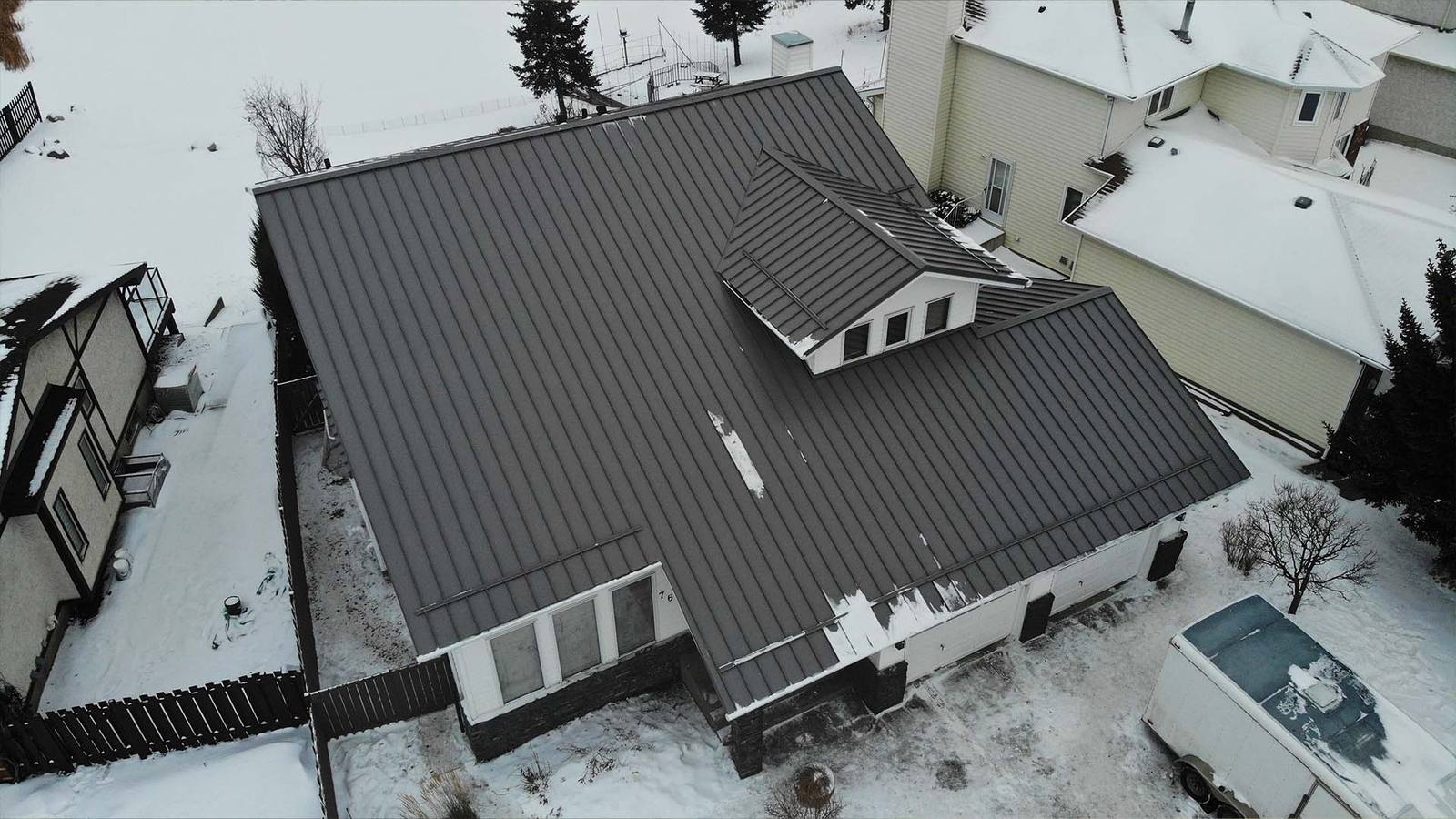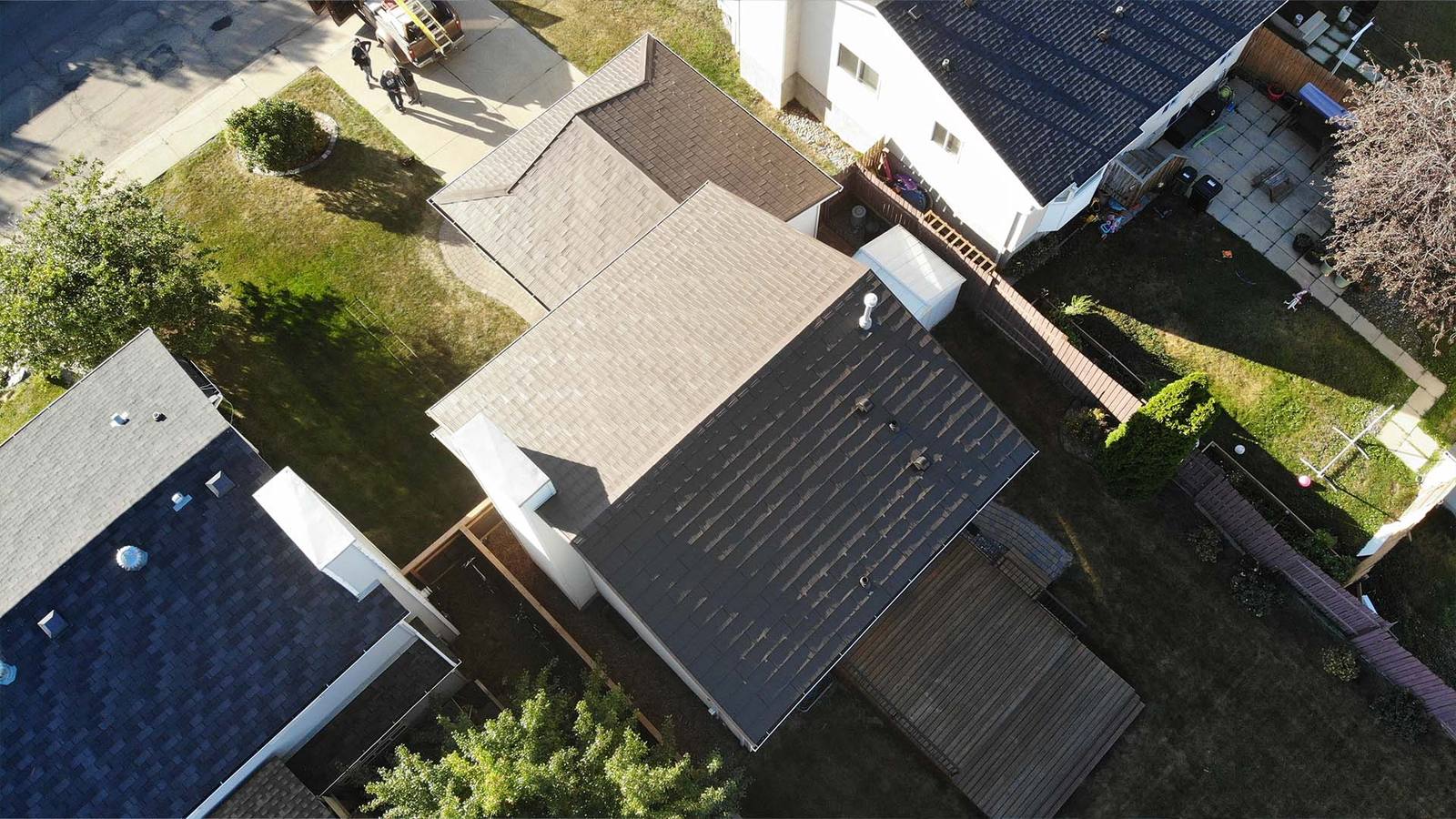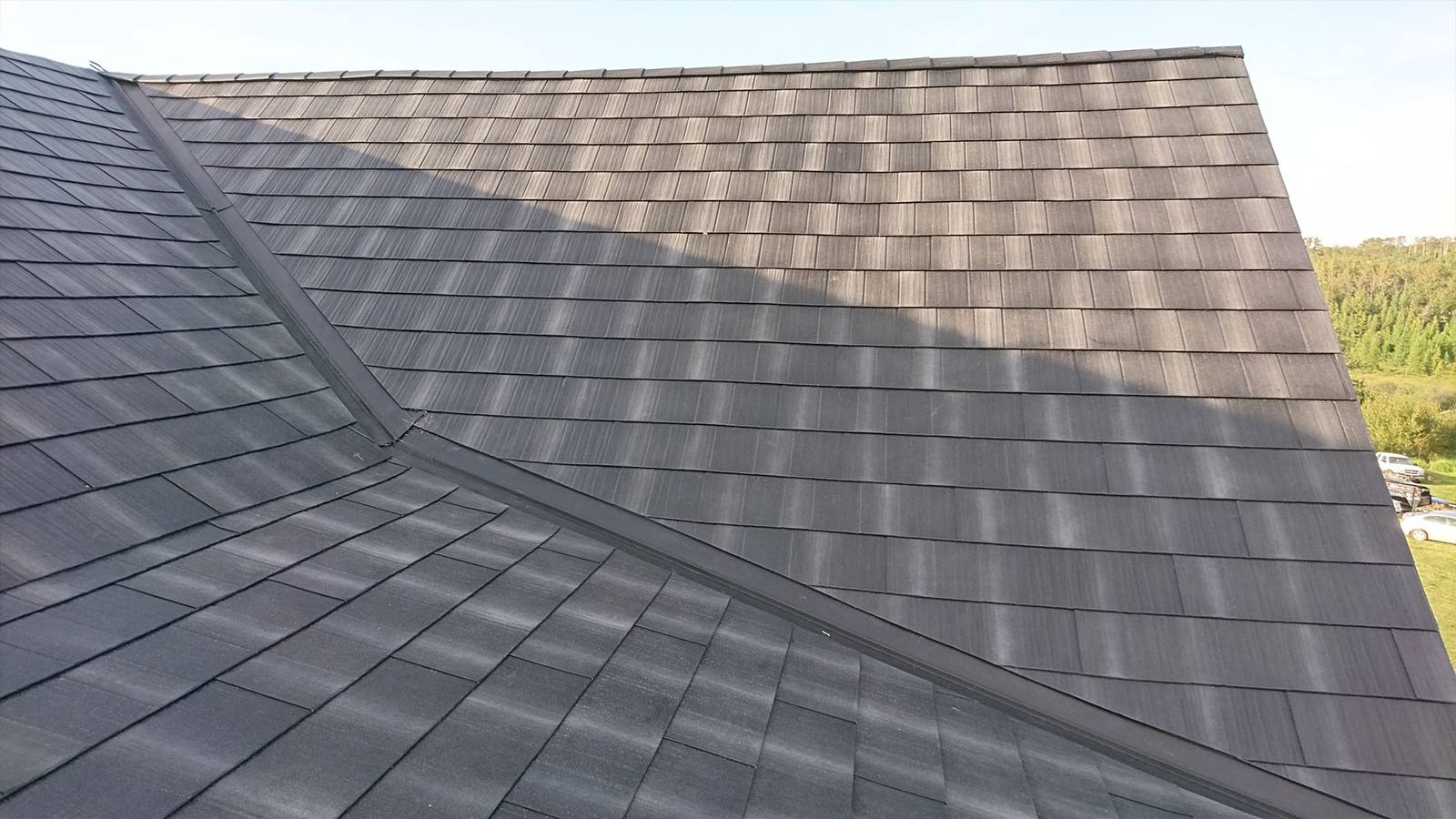
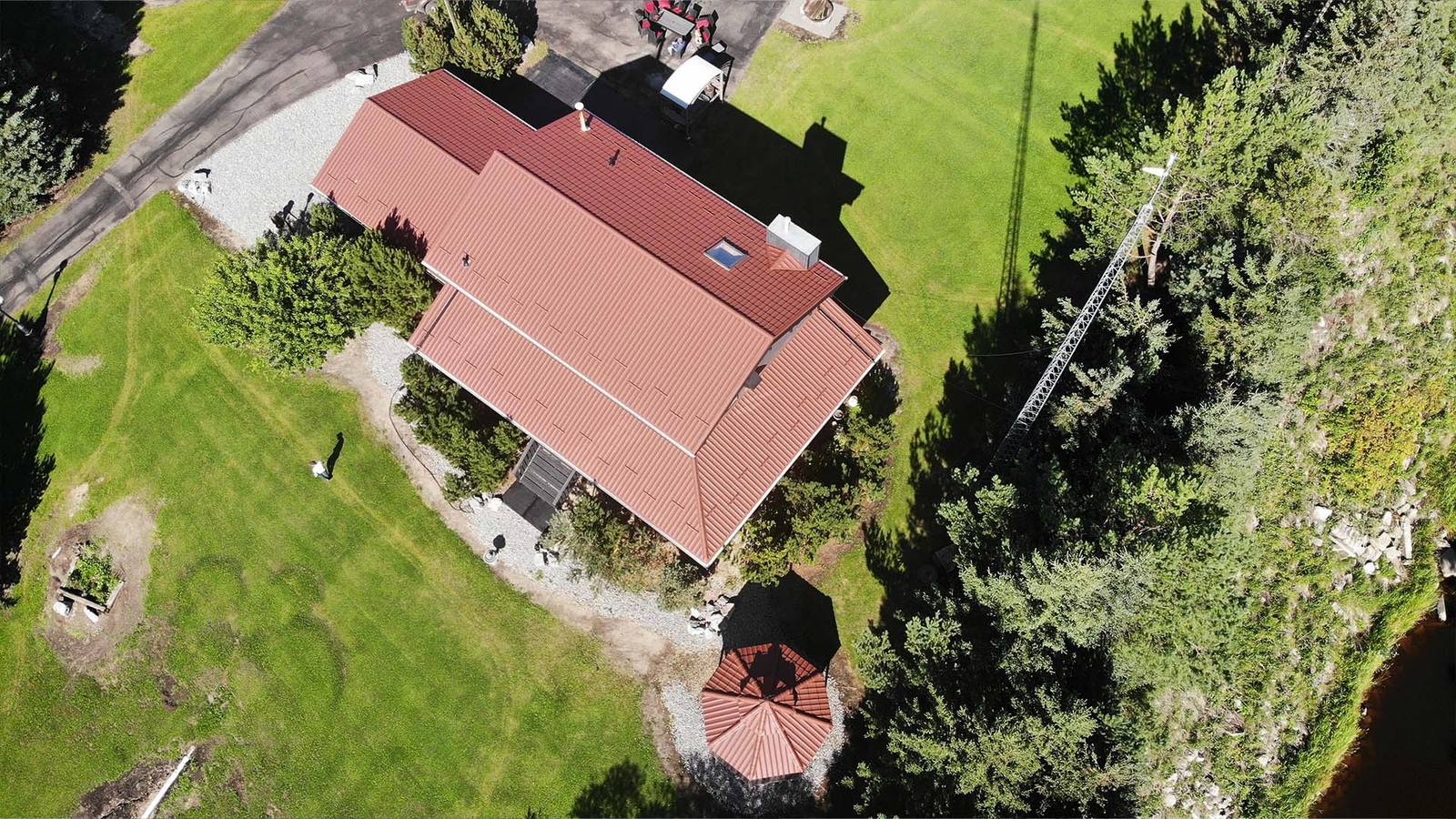
When most homeowners pick a roof colour, they're thinking purely about aesthetics. But colour also determines how much sunlight gets absorbed versus reflected, which directly impacts indoor temperatures, your utility bills, and even your neighbourhood's microclimate.
Energy efficiency: how colour affects temperature
Darker colours like black or dark grey absorb more heat from the sun, while lighter shades reflect it away. Your climate zone should guide this choice — cooler regions benefit from dark roofs that retain warmth, whereas hot areas need light-coloured roofs to keep homes comfortable. This thermal regulation creates immediate practical benefits: homes with reflective roofing naturally require less air conditioning during summer, while dark roofs in winter climates reduce heating demands.
The science of reflectivity and savings
Reflectivity measures how much sunlight bounces back rather than being absorbed. Roofs with high reflectivity can lower cooling costs by up to 25%, making this a significant financial consideration. This energy performance supports broader sustainability goals — better reflectance means decreased reliance on air conditioning systems, lowering overall electricity consumption and associated greenhouse gas emissions.
Curb appeal: choosing colour that complements
Roof colour transforms a home's visual character instantly. Light shades like white or soft grey create contemporary, spacious-looking exteriors, while deeper tones like charcoal or navy establish sophisticated, classic aesthetics. Coordinate your selection with existing architectural elements — siding, trim, and landscaping should work together harmoniously. A well-considered colour scheme elevates overall design coherence.
Environmental impact beyond your home
Light-coloured, reflective roofing reduces urban heat island effects — the phenomenon where cities become disproportionately warmer than surrounding areas. By reflecting sunlight, these roofs decrease the urban heat island effect and lower neighbourhood temperatures. Decreased energy consumption means fewer fossil fuels burned for electricity, supporting climate change mitigation efforts.
Long-term financial benefits
Energy-efficient roof colours deliver substantial financial returns over time through reduced utility bills. Homes featuring efficient roofing attract buyers who recognize the long-term value proposition — homes with energy-efficient roofs tend to have higher resale values, making this an investment that strengthens marketability.
Ready to start your project?
Get a free, fixed-price written estimate from an IronWrap estimator.